
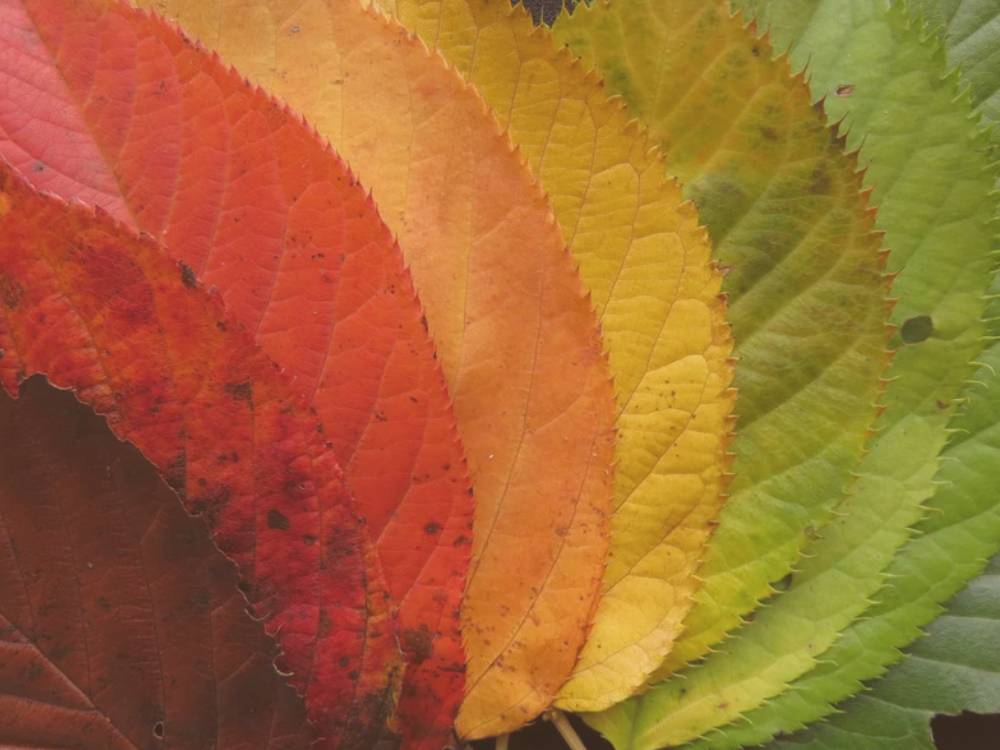
As autumn approaches, some days are still warm and sunny, but the mornings are getting cooler, the light is gradually changing and the days are getting shorter. We are entering a period of transition.
It is worth paying attention to these signs, as the climate and the place where we live influence when this transition begins. In the mountains, for example, the first signs of autumn may appear well before the official date on the calendar. Altitude, the presence of large bodies of water, and the local climate can all affect the beginning and duration of the seasons.
Ayurveda places particular importance on these periods of transition from one season to another.
Ṛtusandhi: the transition between seasons
In Ayurveda, Ṛtusandhi refers to the last seven days of the season that is ending and the first seven days of the new season (14 days in total).
During this period, diet and lifestyle habits are gradually adapted to the season ahead. As Vata predominates during seasonal transitions, sudden changes are considered disruptive.
Ayurveda therefore does not encourage us to switch abruptly from a summer diet to an autumn one, but rather to ease gently into the change.
These fourteen days are, of course, a general principle: what matters most is observing what is actually happening in our environment and adapting to the climate where we live.
From summer to autumn: gently preparing for Vata season
We are leaving behind the qualities of summer and entering a colder, drier and more changeable season. Vata accumulates during the summer and becomes aggravated in autumn and early winter. Gradually adapting our diet and lifestyle can therefore help us navigate this seasonal transition more comfortably.
In a future article, we will explore Vata season in more detail, including how to adapt our diet and daily routine for autumn.
The transition between seasons: a good time to lighten up
In Ayurveda, one of the foundations of health is good digestion and a balanced Agni (digestive fire). When Agni is compromised, Ama can form. Often compared to the concept of “toxins”, Ama more specifically refers to residues resulting from incomplete or suboptimal digestion. This undigested matter can accumulate in the tissues and, according to Ayurveda, contribute to disease over time.
At the end of summer, we can use this transitional period to simplify and lighten our diet in order to support Agni. It is a safe and gentle way to help prevent the formation of Ama.
But be careful: the aim of an Ayurvedic detox is not to eat as little as possible or to put the body under unnecessary strain. The main objective is to support Agni, our digestive capacity, and help the body naturally return to balance.
Detox does not necessarily mean intensive purification
In Ayurveda, purification does not necessarily mean a drastic treatment. There are different levels of purification, some of which can be very gentle and easily incorporated into our daily lives.
Ayurveda distinguishes between different therapeutic levels of purification. Langhana refers to approaches that lighten or reduce. These may include:
- Shamana : therapies that gently restore balance in daily life and gradually bring the Doshas back into equilibrium.
- Shodhana : les thérapies de purification plus profonde.
An Ayurvedic detox is therefore not necessarily synonymous with fasting or Panchakarma. These deeper approaches (Shodhana) are, however, sometimes necessary; in such cases, it is advisable to be supervised by a qualified professional, usually an Ayurvedic doctor (for Panchakarma) or an allopathic doctor (for fasting).
A simpler diet, more regular routines, physical activity, or even supporting digestion with herbs are more in line with a gentle cleansing approach, or Shamana.
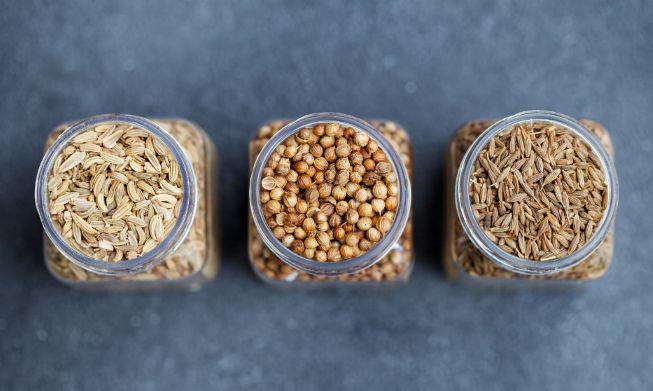
Among these approaches, Ayurveda specifically mentions Pachana (spices to aid the digestion of Ama) and Dipana (spices that support and stimulate Agni).
Cleansing is not only about what we eat
Shamana approaches are not limited to food. They also include:
- Vyayama: movement and physical exercise
- Atapa: exposure to sunlight
- Maruta: exposure to fresh air and the elements
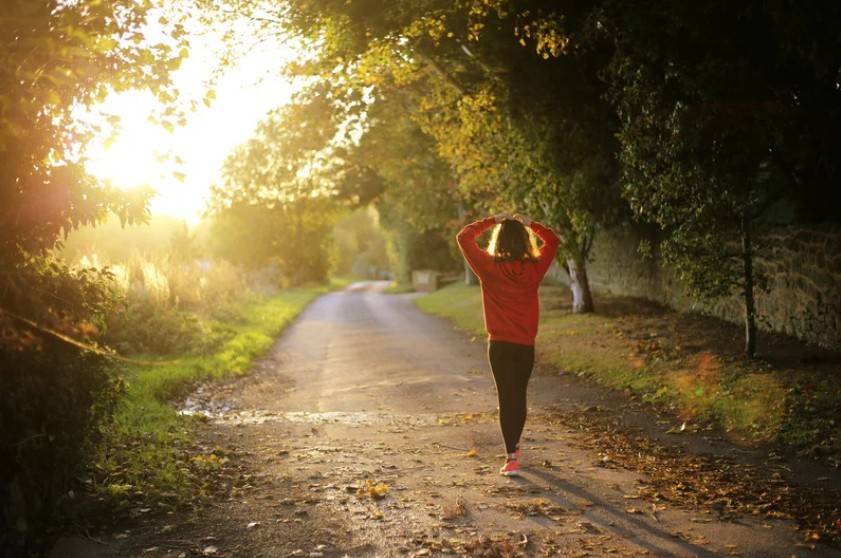
Regular physical activity, spending time outdoors — ideally in nature — and taking a few minutes each day to breathe slowly and deeply can therefore be part of this gentle cleansing process. Breathing and connecting with the elements support Prana, our vital energy, while movement is one of the methods used in Ayurveda to help prevent the accumulation of Ama.
Even as the days grow shorter and you return to work after the summer holidays, remember to maintain a connection with nature, natural light, fresh air and movement.
In practice: a few simple things to do during Ṛtusandhi
- Temporarily simplify your meals (for example, one type of vegetable and one whole grain per meal)
- Choose fresh, seasonal, cooked foods that are easy for you to digest
- Reduce animal products and fats
- Avoid alcohol, excess sugar, processed and frozen foods, and overly heavy meals
- Drink digestive herbal teas (ginger, CCF tea, etc.) and use spices in your cooking (turmeric, cumin, fennel, coriander, cardamom, etc.)
- Listen to your body rather than imposing too many restrictions
- Maintain regular sleeping and eating patterns
- Walk, move, breathe, spend time outdoors every day, and gradually allow your body to settle into a more autumnal rhythm
Remember: the key principle is not to change everything overnight, as this would be precisely the opposite of the principle of Ṛtusandhi. Instead, observe what you gradually need less of and what the new season is inviting you to introduce.
To conclude
We do not all experience seasonal changes in the same way. They vary according to the climate we live in, but also according to our constitution, age, our own Agni, and our lifestyle.
But if there were only three things to remember as we move from one season into the next, they would be: regularity, digestion and movement.
If you would like to go further and use this period to follow a gentle, personalised mini-cleanse, I can support you through a complete programme over a few days, including an Ayurvedic consultation, personalised nutrition and lifestyle guidance, and therapeutic treatments.
In the next article, we will dive deeper into Vata season: its qualities, its effects on the body, and the practices that can help us move through autumn in good health.